
Leaves of Grass by Walt Whitman, Later Printing, in Original Boards and Scarce Dust Jacket, 1900
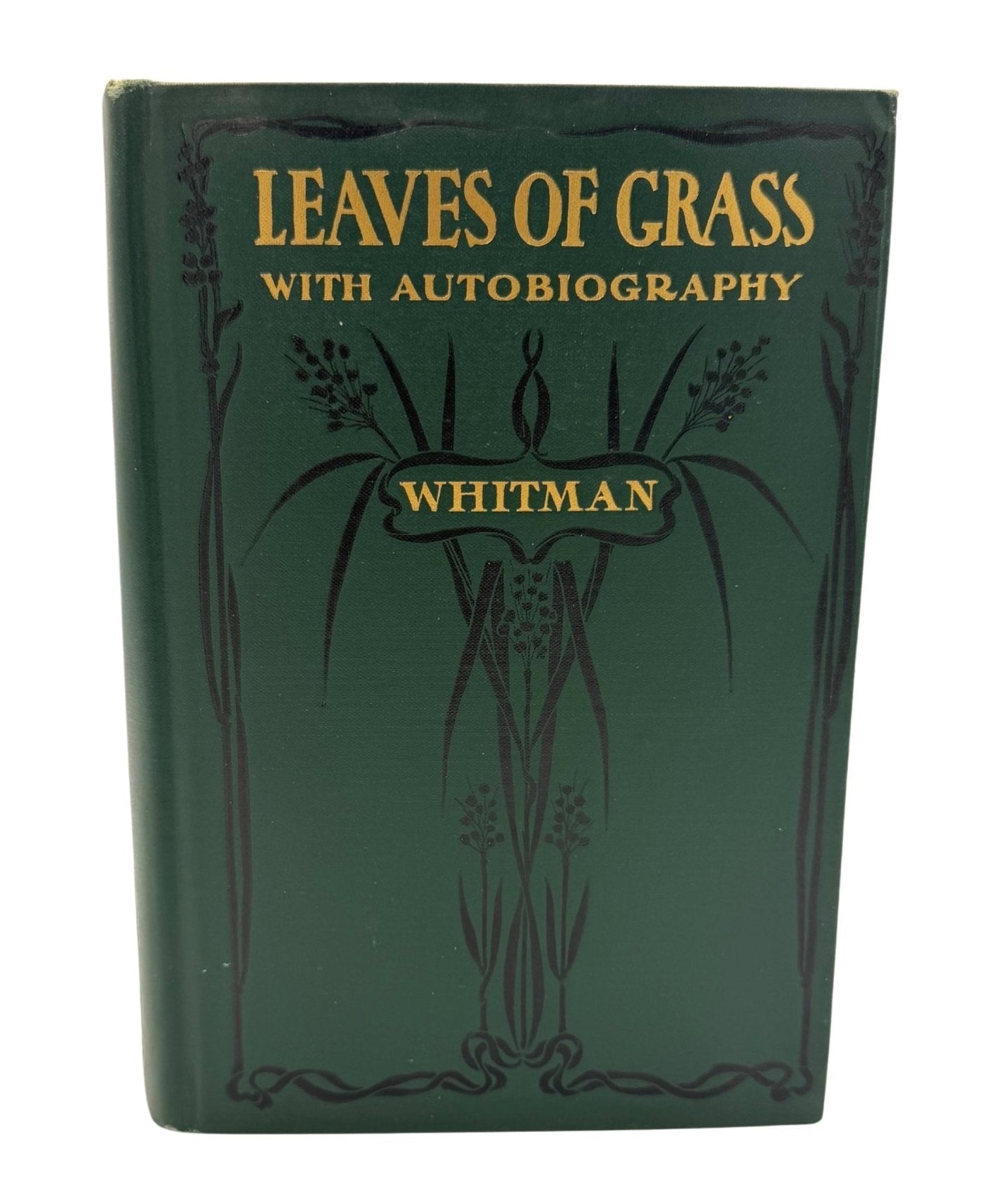
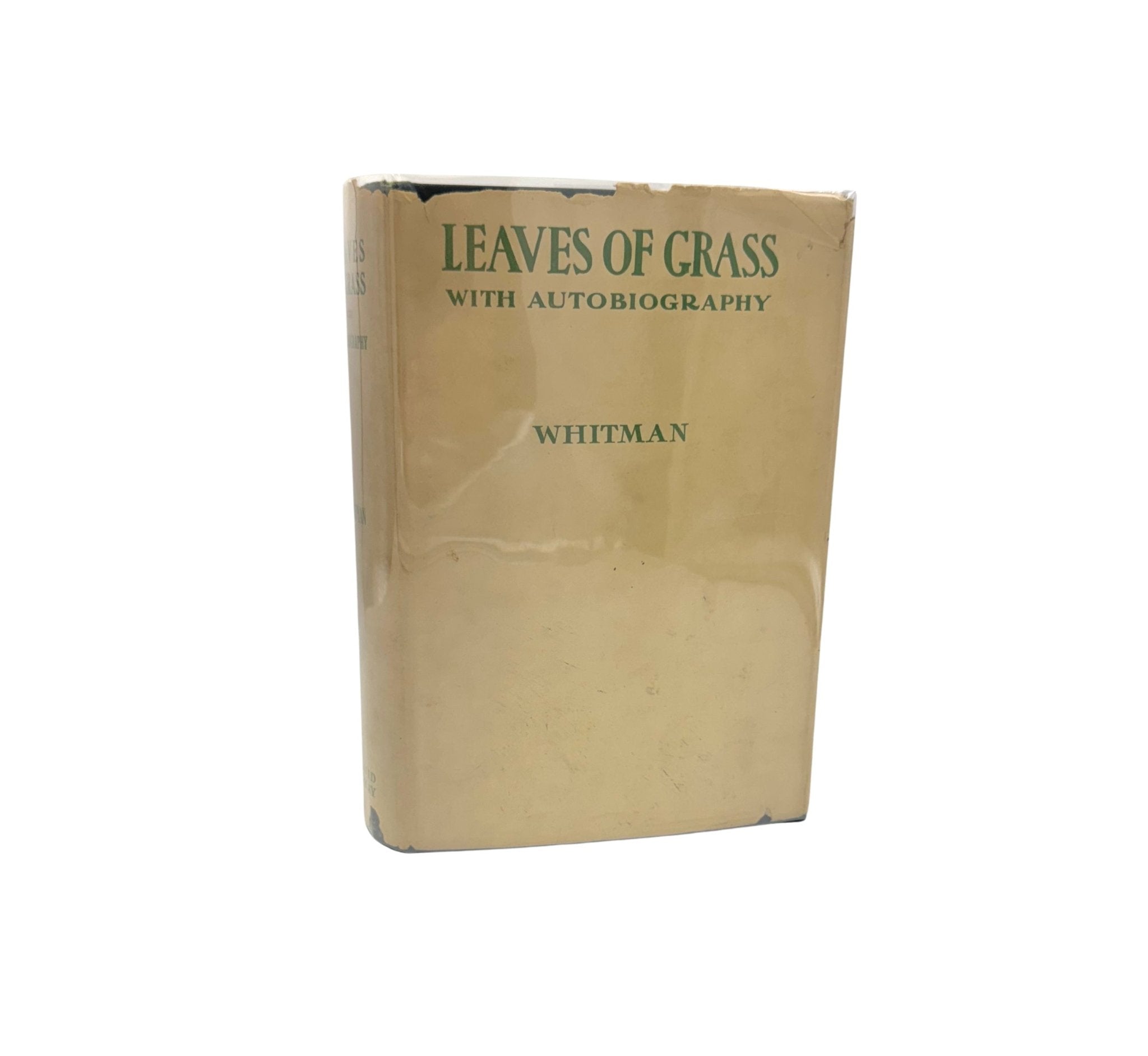
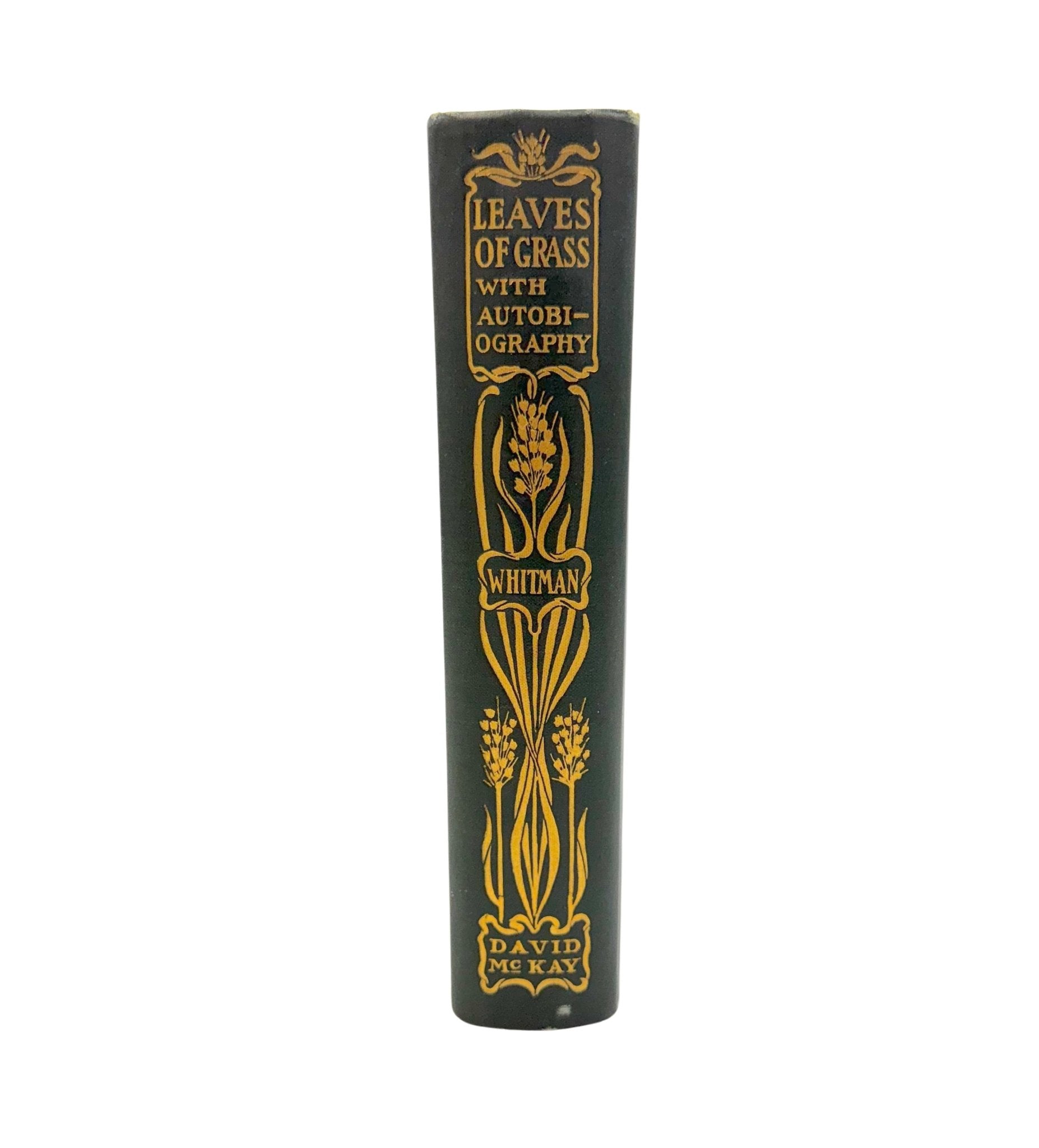
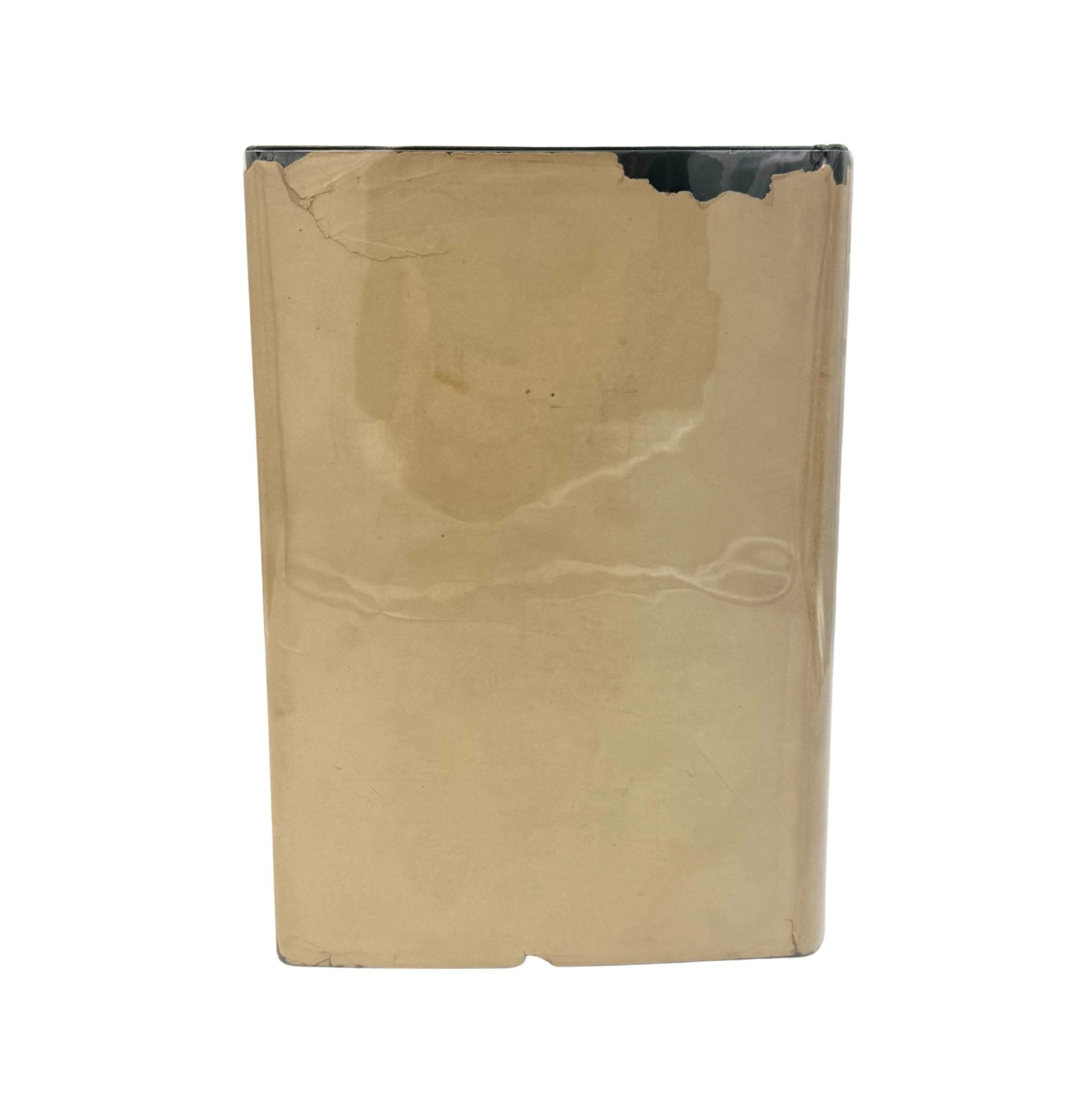
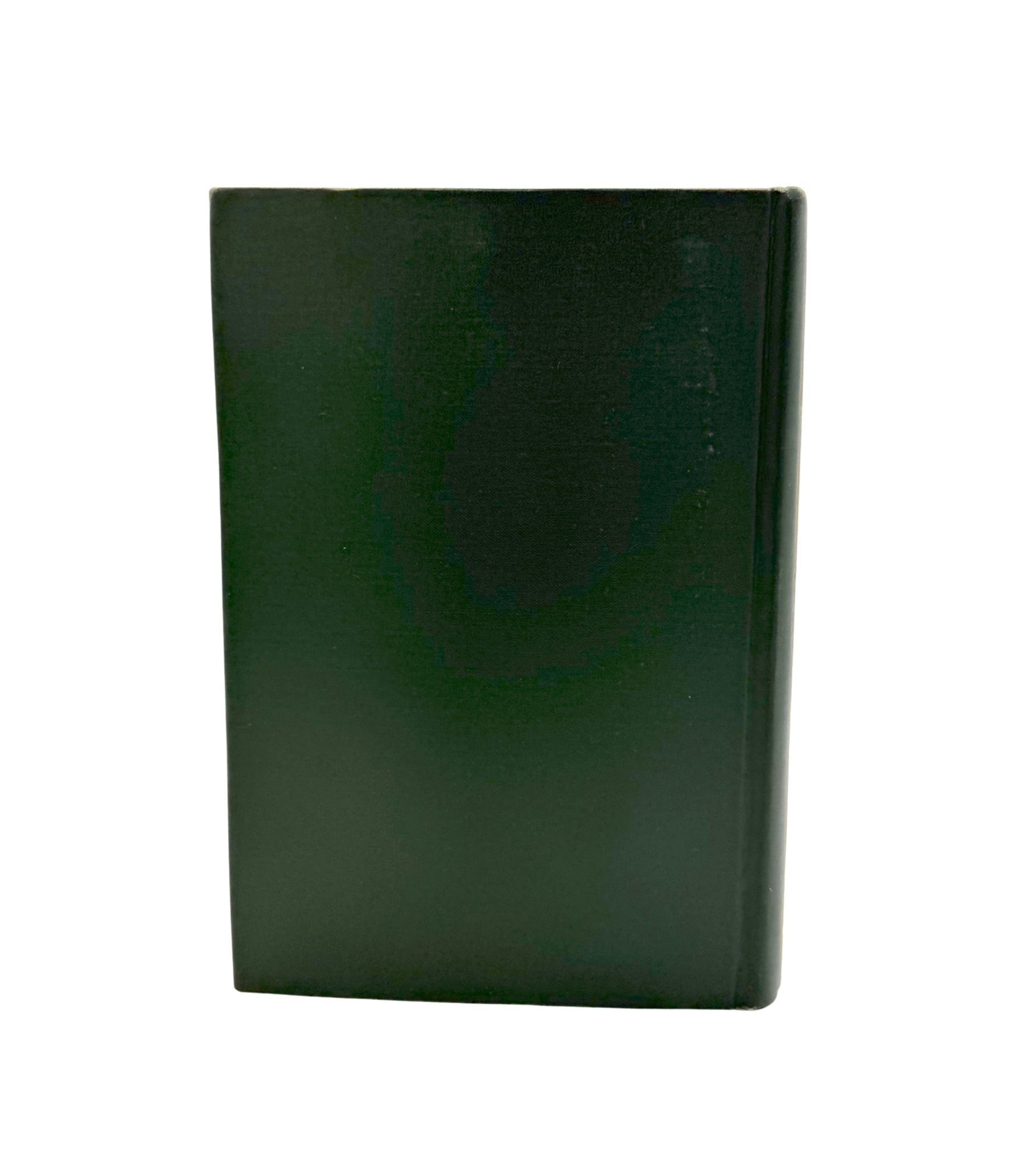
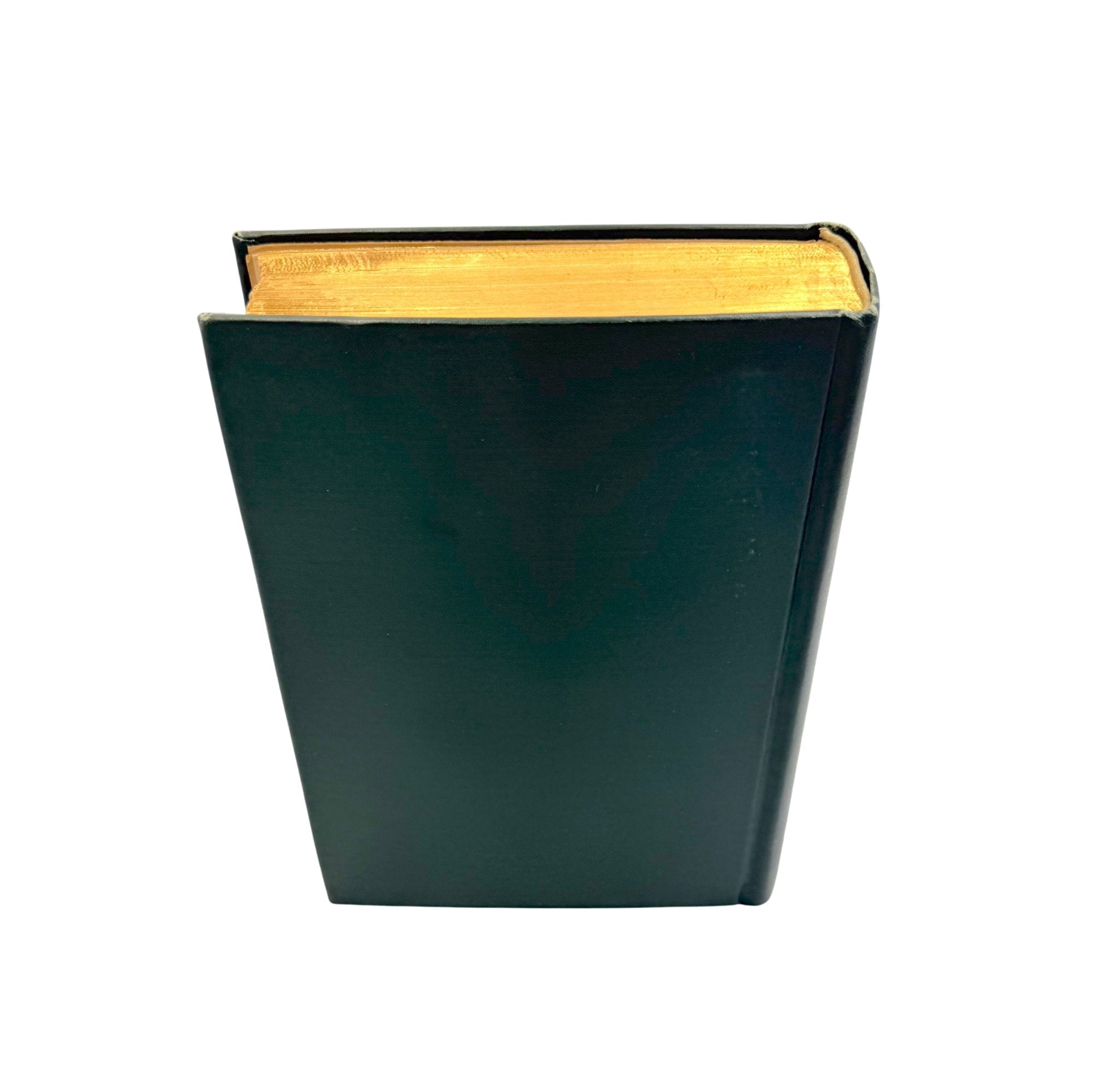
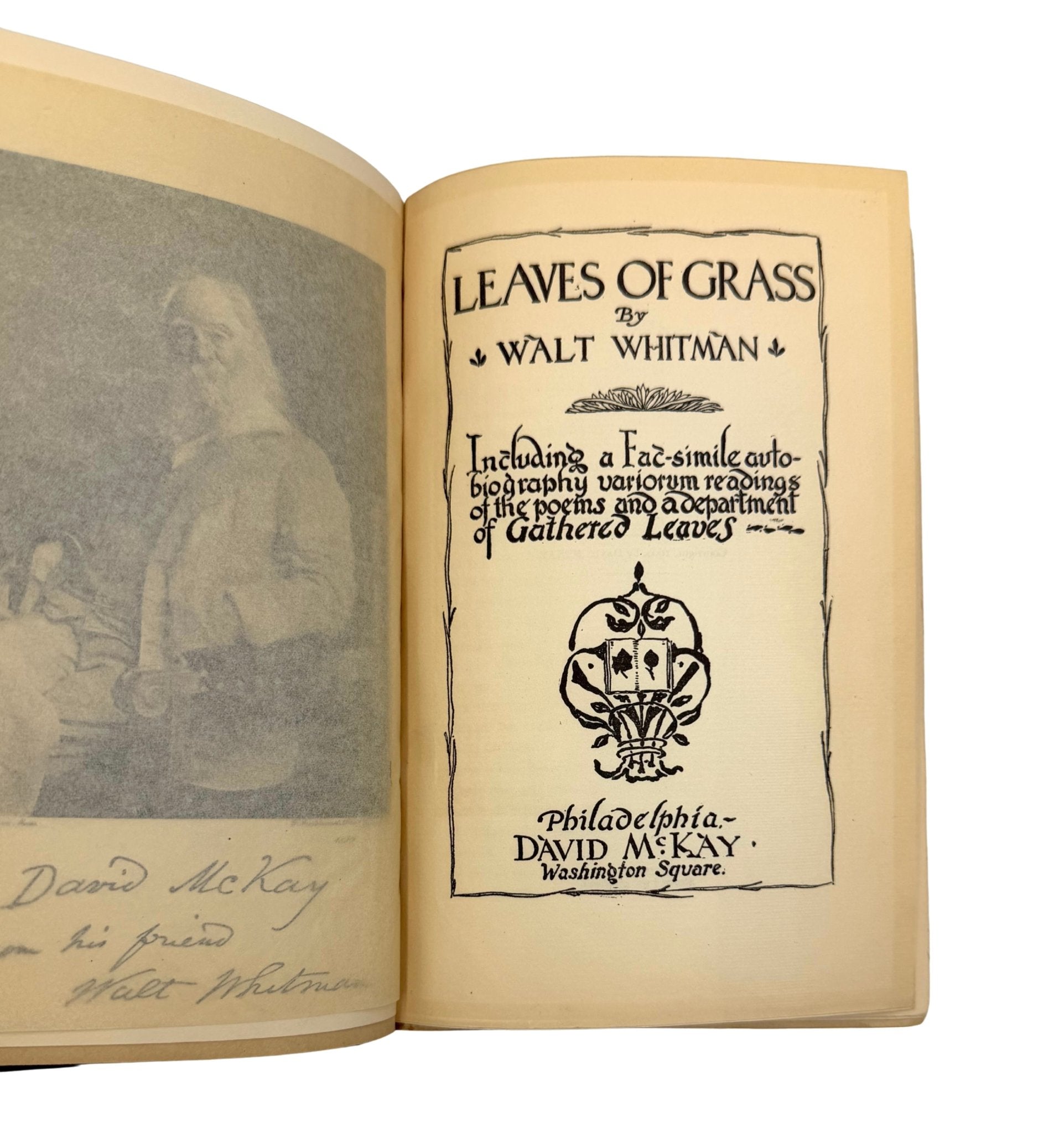
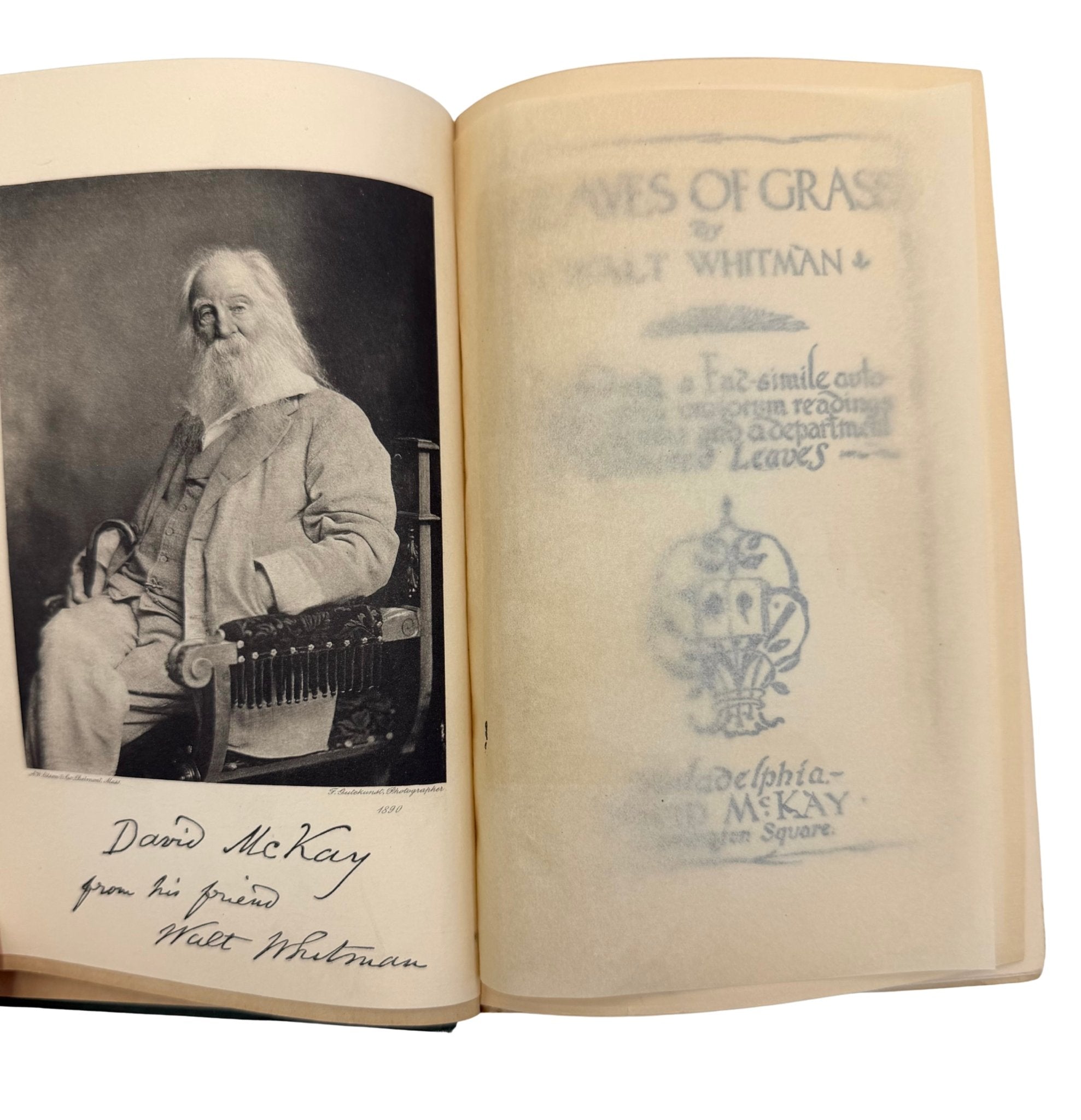
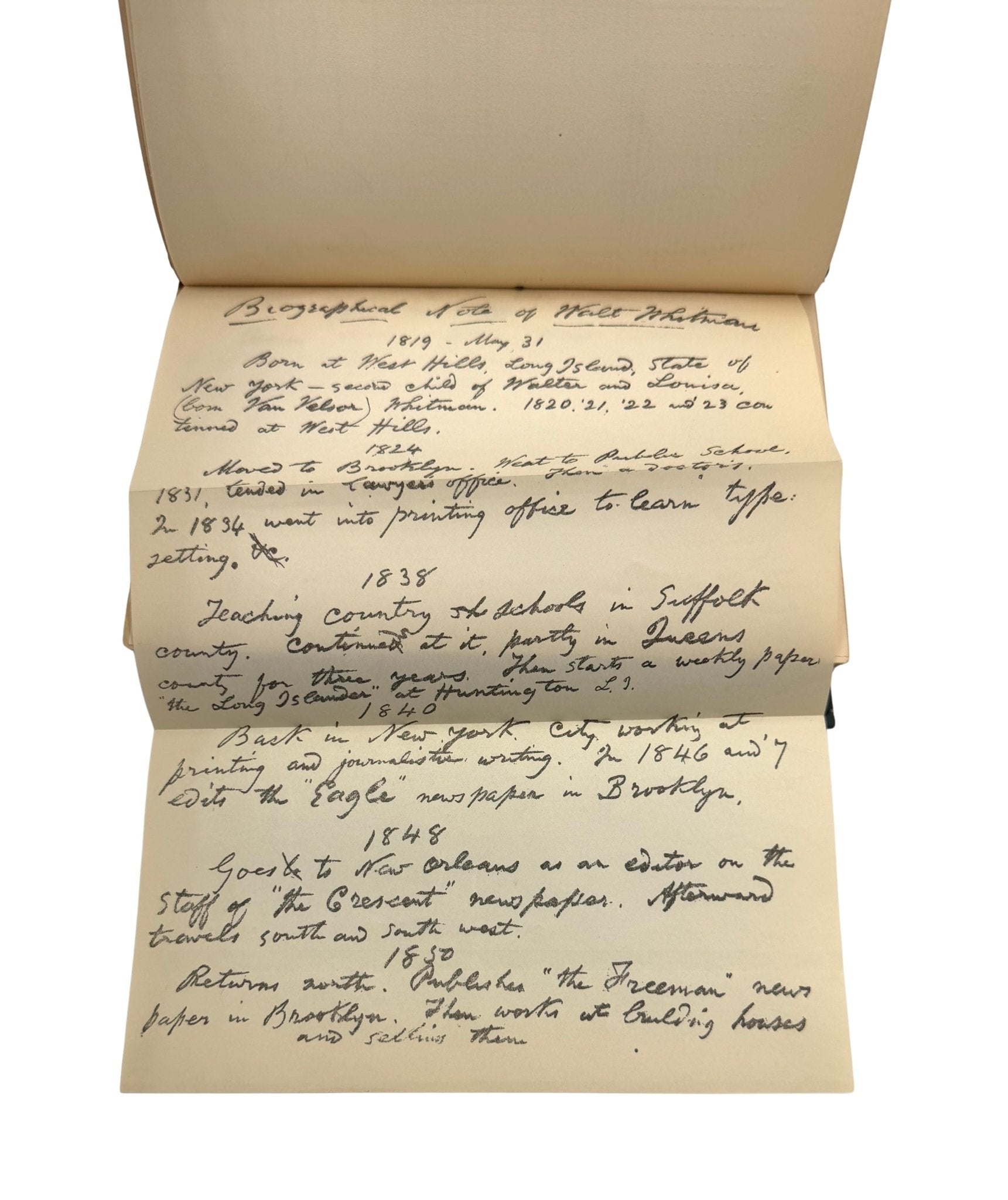
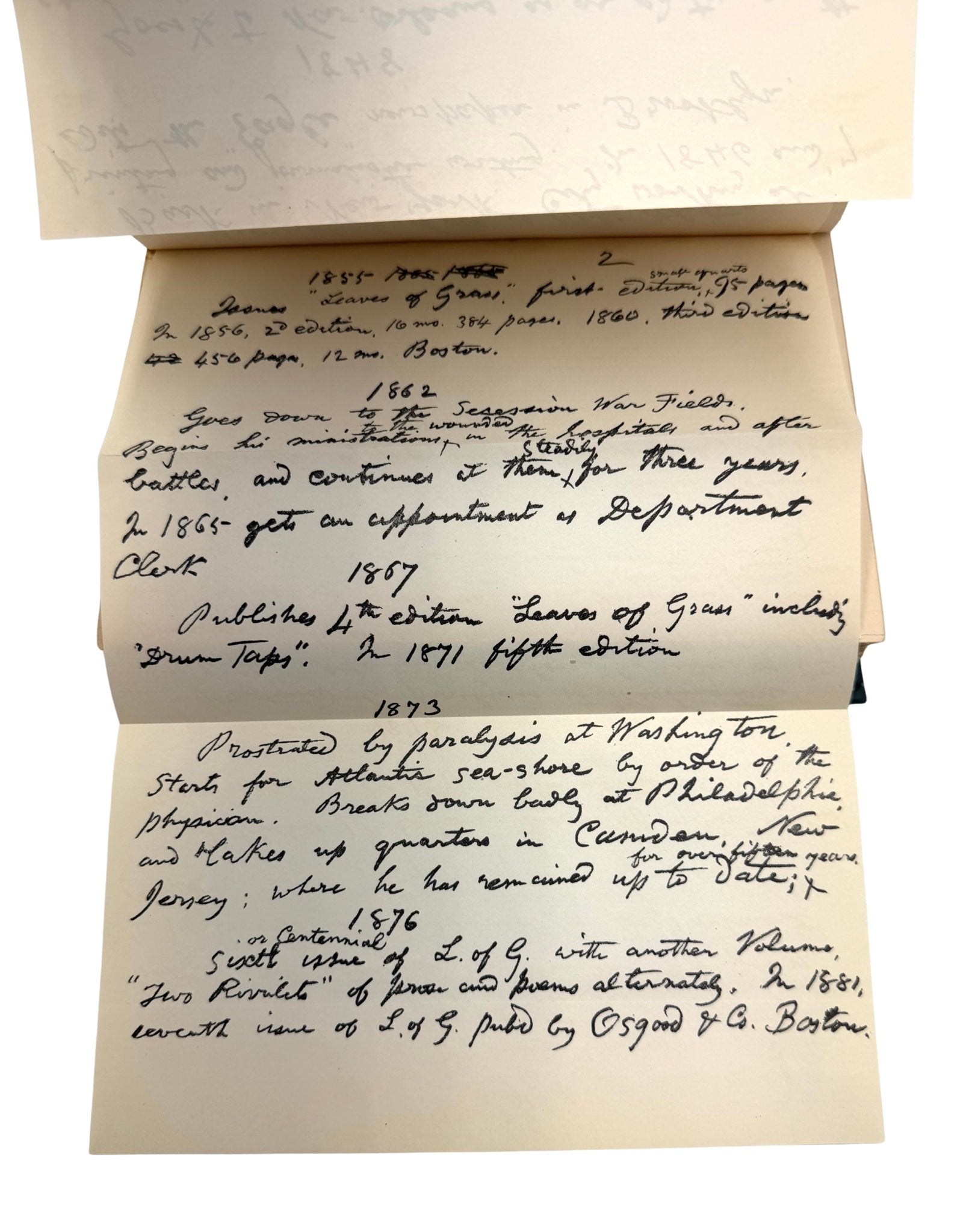
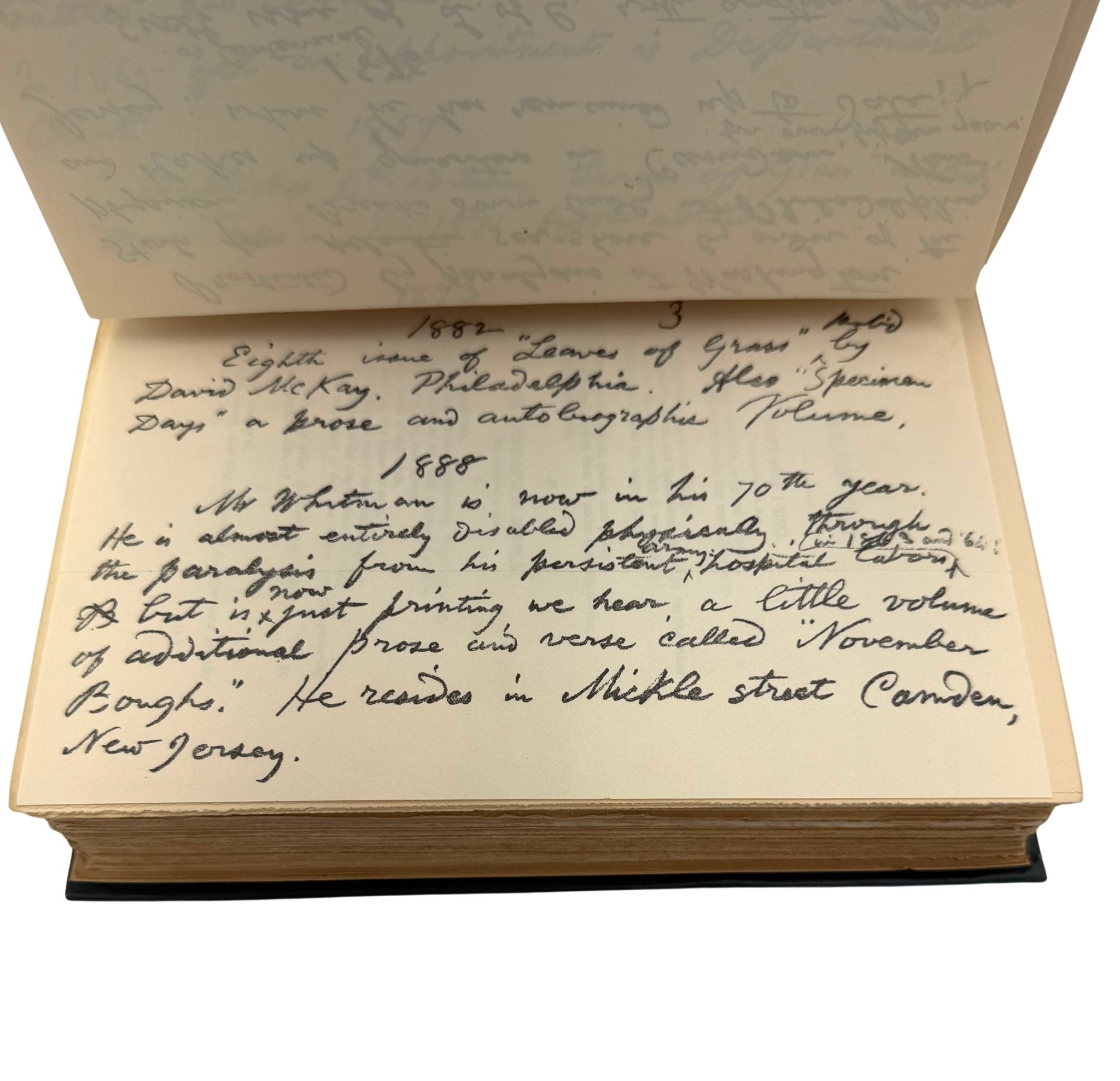
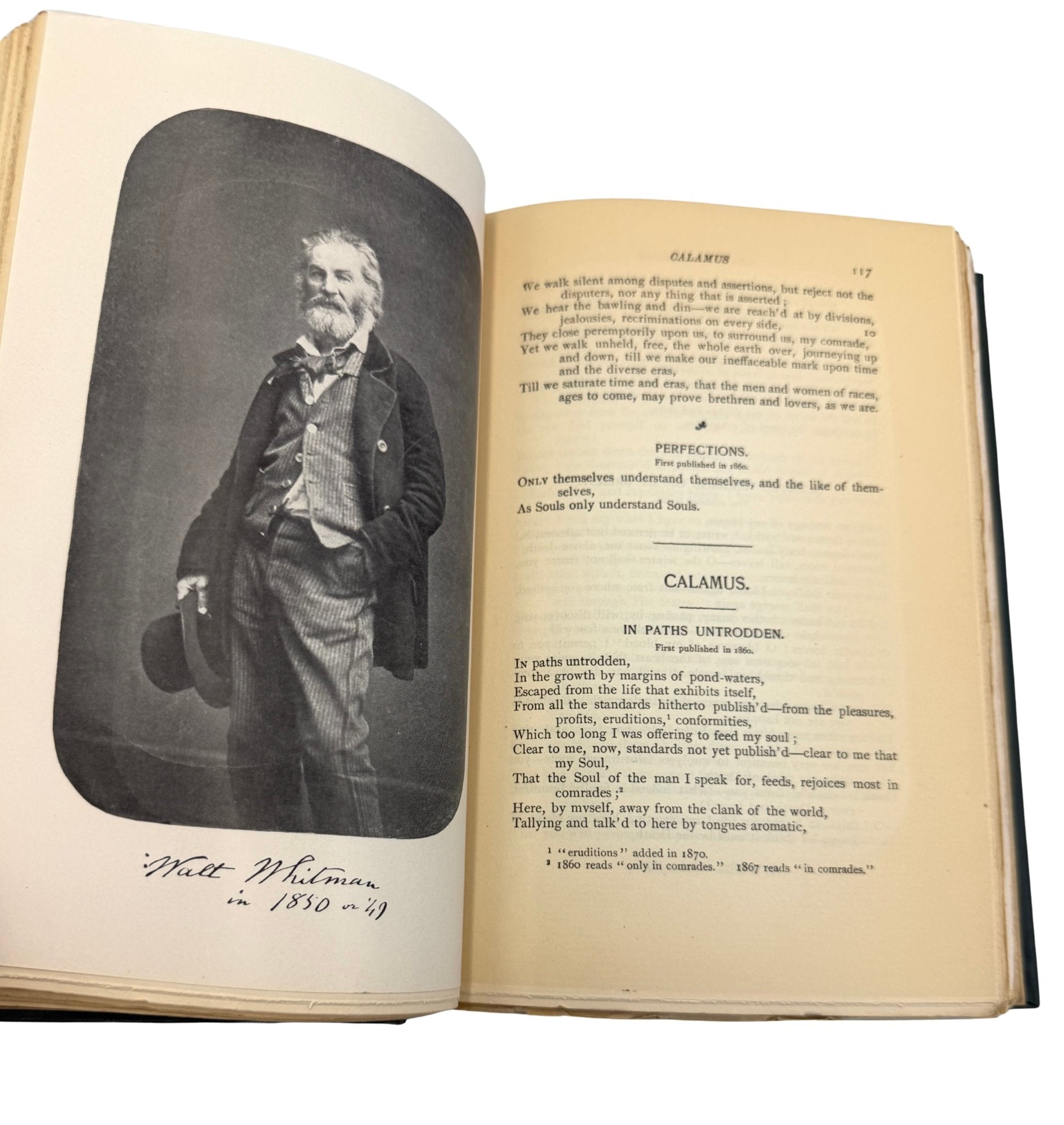
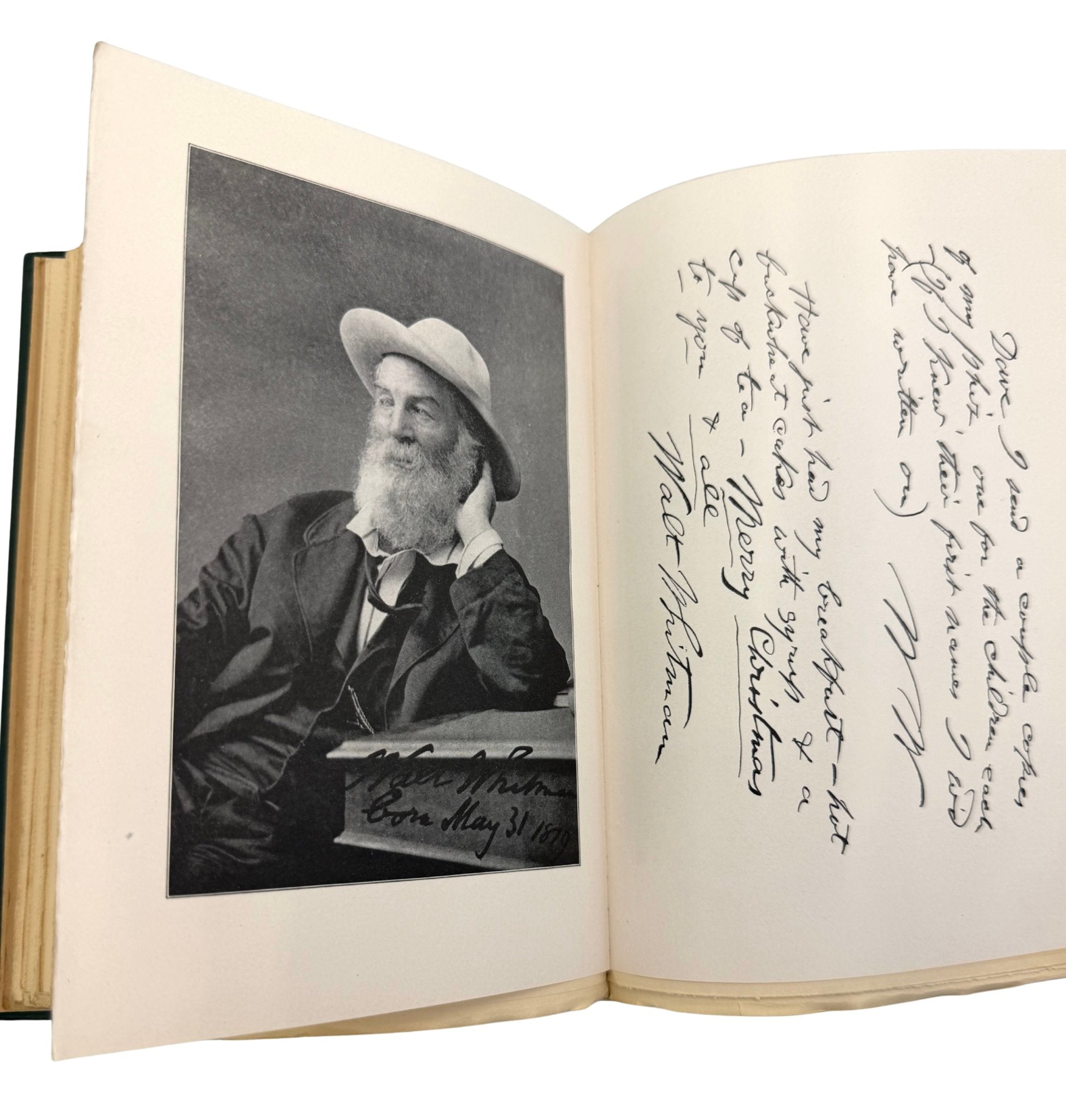
Whitman, Walt. Leaves of Grass: Including a Fac-simile, Autobiography, Variorum Readings of the Poems, and a Department of Gathered Leaves. Philadelphia: David McKay, 1900. Reprint. Octavo. In original green cloth, front board stamped and titled in gilt and black, spine titled and stamped in gilt. Top edge gilt. In original, scarce dust jacket with green titles on front panel and spine. With frontispiece portrait of Whitman, four facsimile leaves, and three additional portraits.
Presented is Walt Whitman’s Leaves of Grass: Including a Fac-simile, Autobiography, Variorum Readings of the Poems, and a Department of Gathered Leaves. This reprint edition was published by David McKay in 1900 and is in its original green cloth and gilt and black stamped boards and scare dust jacket. A handsome copy, this is the final edition of Leaves of Grass published in the 19th century.
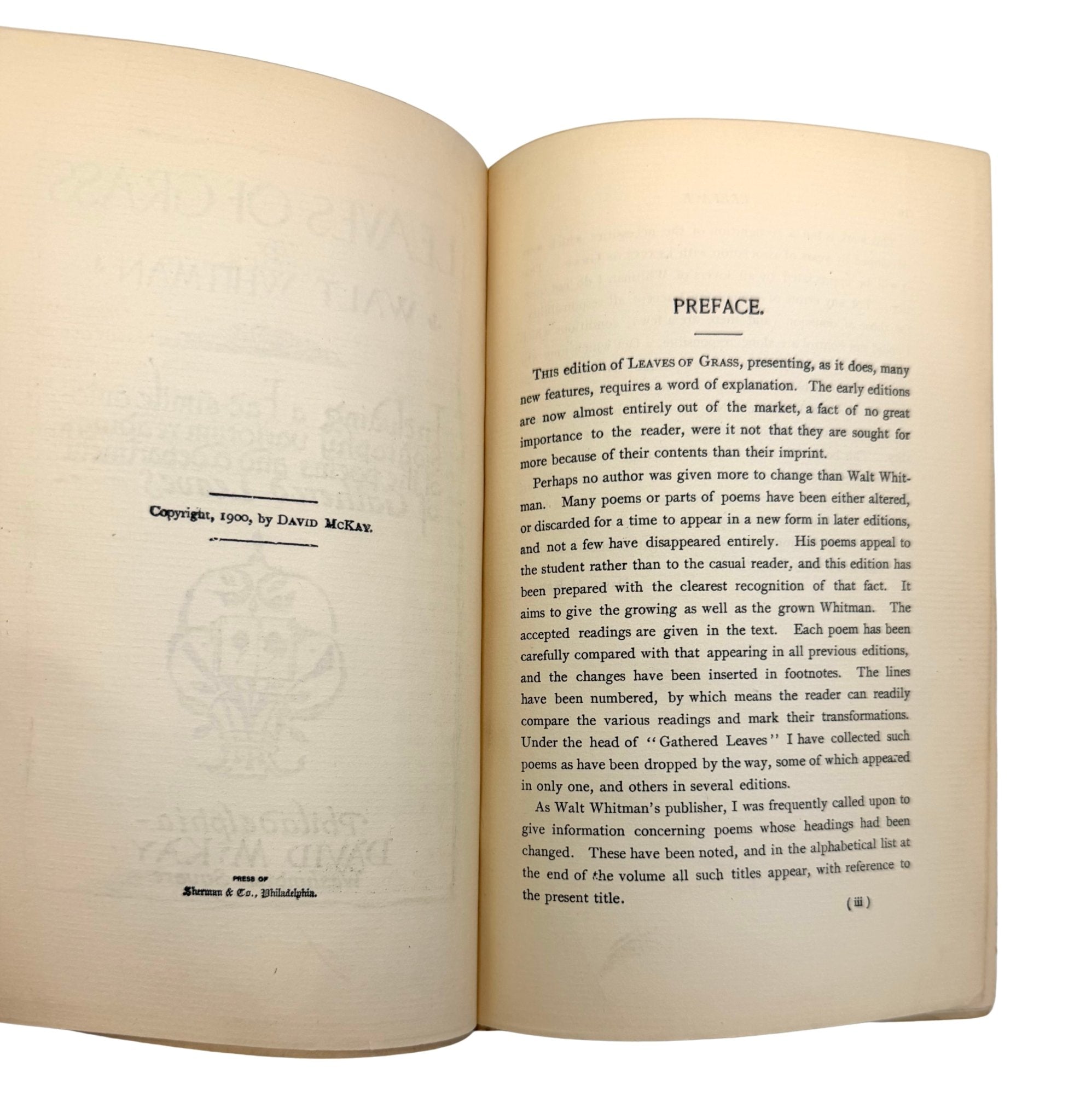
The first edition of Leaves of Grass, self-published by Whitman on July 4, 1855, contained only twelve poems, together with a long preface. From 1865 to 1892, eight further editions were published under Whitman’s supervision, each incorporating revisions and additional poems. As the editor of this edition writes in the Preface, “Perhaps no author was given more to change than Walt Whitman. Many poems or parts of poems have been altered, or discarded for a time to reappear in a new form in later editions, and not a few have disappeared entirely.” Leaves of Grass grew across the span of Whitman’s life; the last edition boasted more than 400 poems. In 1881, the permanent order of poems was established, with the seventh edition. Later, a standard text of Leaves of Grass was prepared by Whitman’s executors for the ten-volume edition in 1902.
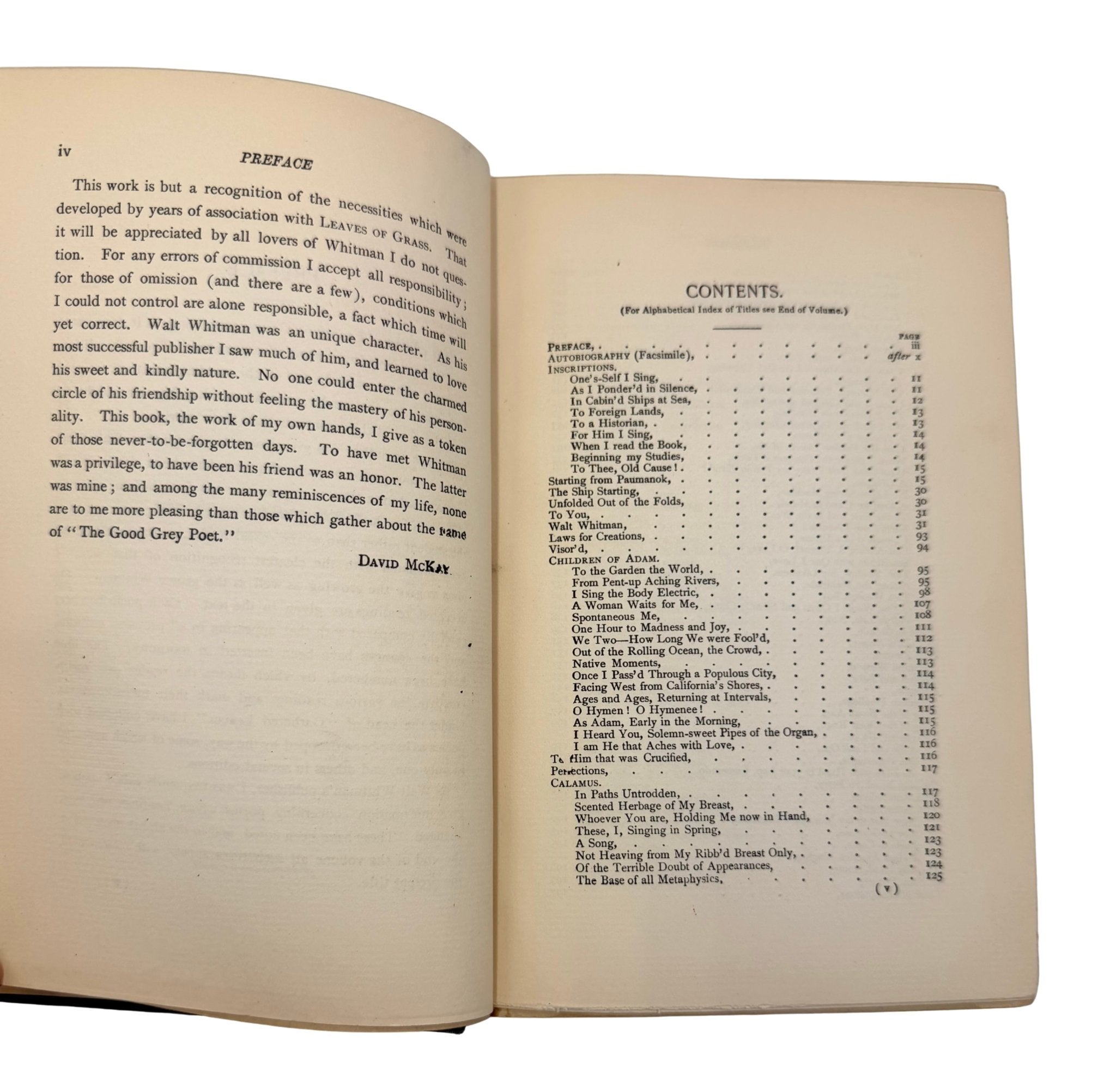
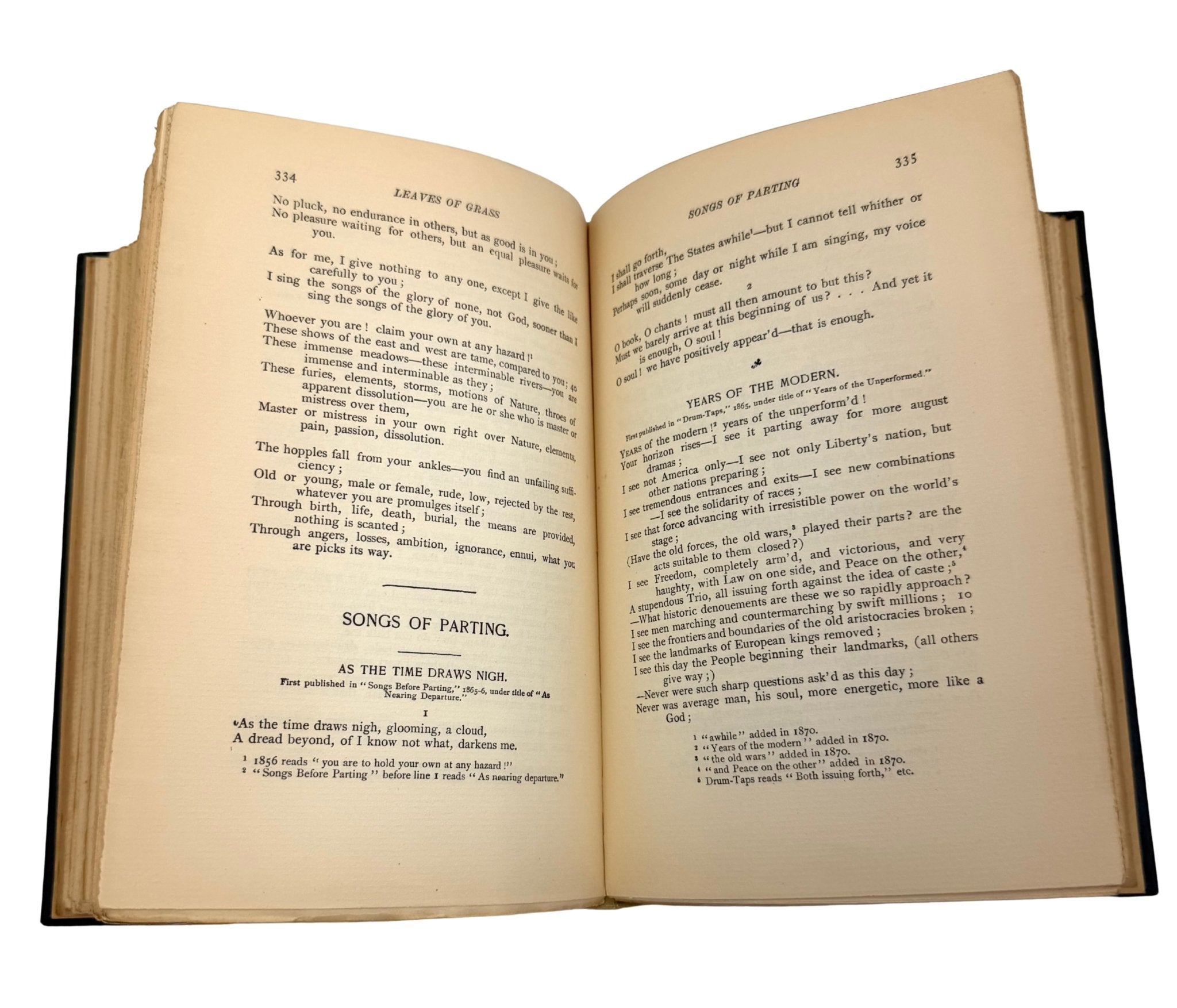
This 1900 David McKay published edition “aims to give the growing as well as the grown Whitman. Each poem has been carefully compared with that appearing in all previous editions, and the changes have been inserted as footnotes. The lines have been numbered, by which the reader can readily compare the various readings and mark their transformations.” Although David McKay was one of Whitman’s publishers, Blanck notes this edition was unauthorized, “made up only of material on which the copyright had expired. Later printings are extended by the addition of further poems, all of which are reprints. The first printing…. has 496 pp., but later printings, all of which give the publisher's address as Washington Square, have been seen with 516, 526, 563, and 567pp.”
Through his poetry, Whitman sought to capture the essence of American life and identity, showcasing the beauty and complexity of both nature and humanity. Nicknamed the “father of free verse,” Whitman broke away from traditional poetry forms, favoring long lines and a candid style that mirrors the natural rhythms of speech. Whitman was “influenced by the long cadences and rhetorical strategies of Biblical poetry.”
Critical and public reception for Leaves of Grass was mixed in Whitman’s lifetime, as many found Whitman’s style and subject matter unnerving. In a private letter to Whitman, Emerson wrote that the first edition of Leaves of Glass was “the most extraordinary piece of wit and wisdom that America has yet contributed. I greet you at the beginning of a great career.” Whitman also published his own enthusiastic review of the first edition of Leaves of Grass, declaring “An American bard at last!” Yet, The New York Times wrote of Whitman’s 1860 version, “If possible, he is more reckless and vulgar than in his two former publications. … Yet it would be unjust to deny the evidence of remarkable power which are presented in this work.” "Whitman received little public acclaim for his poems during his lifetime for several reasons: this openness regarding sex, his self-presentation as a rough working man, and his stylistic innovations”(The Longman Anthology of Poetry). Today, Leaves of Grass is considered one of the greatest books ever written.
CONDITION:
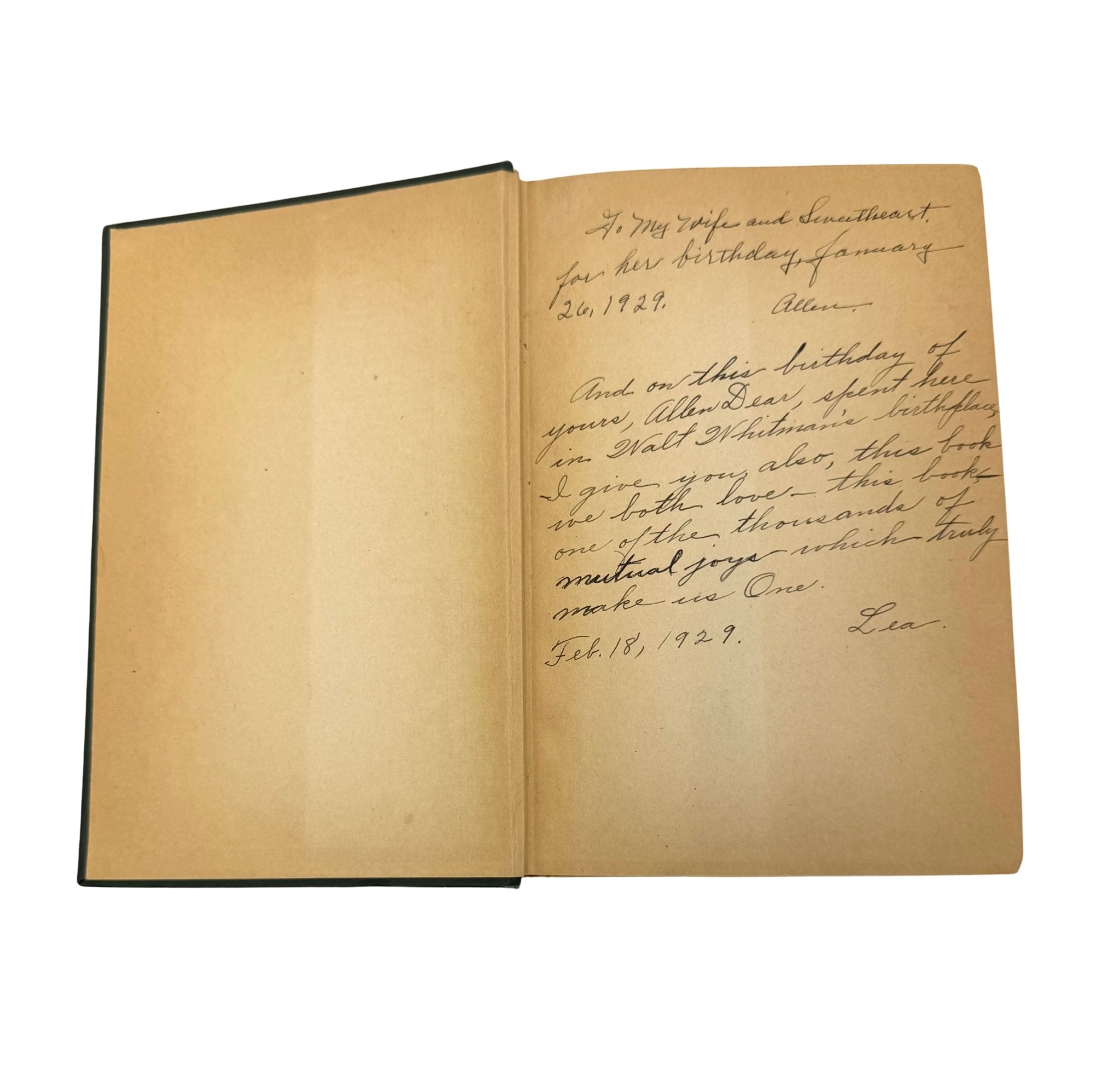
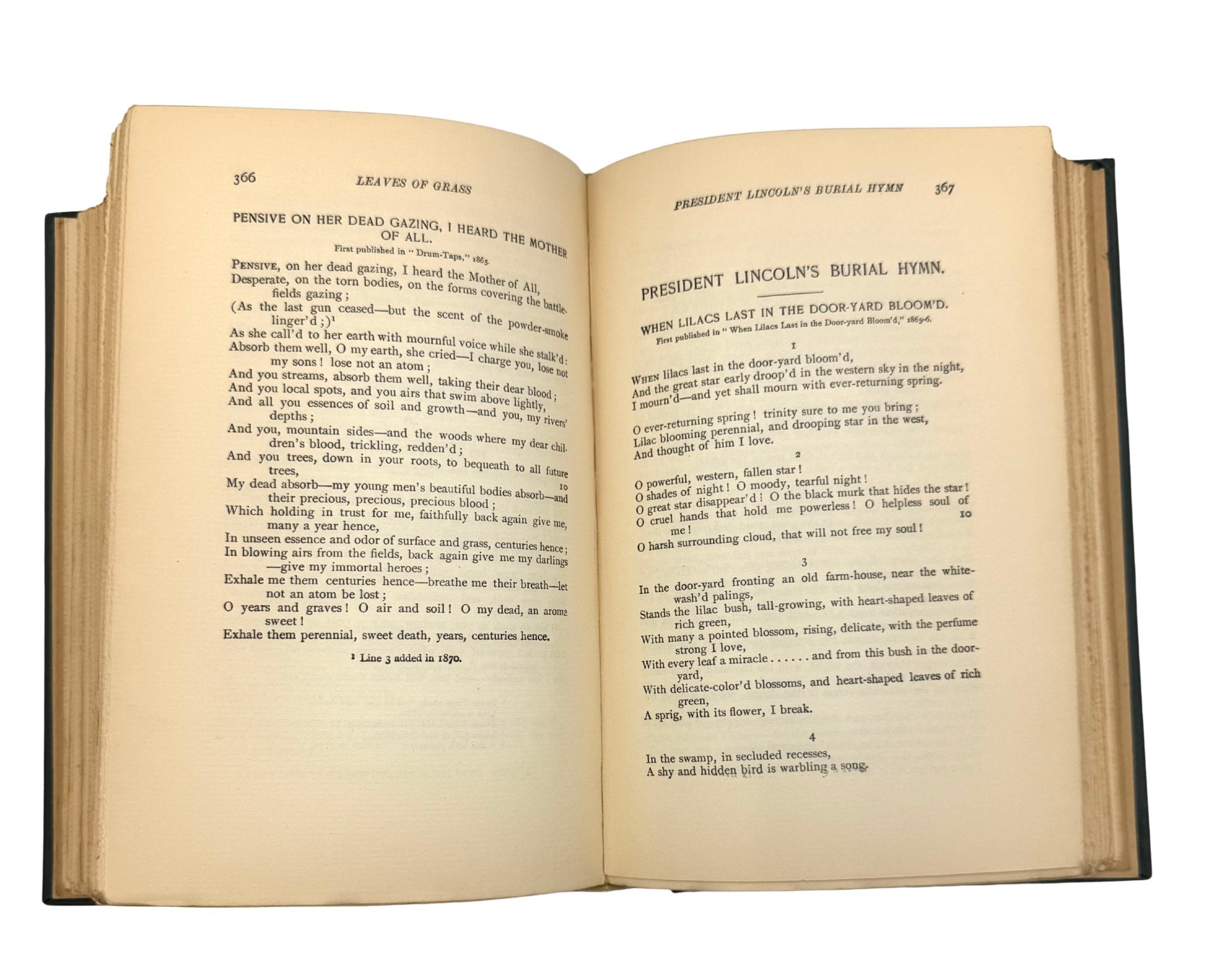
Near fine condition. Octavo. In original green cloth, front board stamped and titled in gilt and black, spine titled and stamped in gilt. Top edge gilt. Light wear to spine ends, corners of the front boards. Two inked gift inscriptions on front endpaper, dated 1929. With frontispiece portrait of Whitman with tissue guard, four facsimile leaves, and three additional portraits. Clean pages, save stain affecting upper margins of p.90-91. xiv, [11]-567, [5]pp.
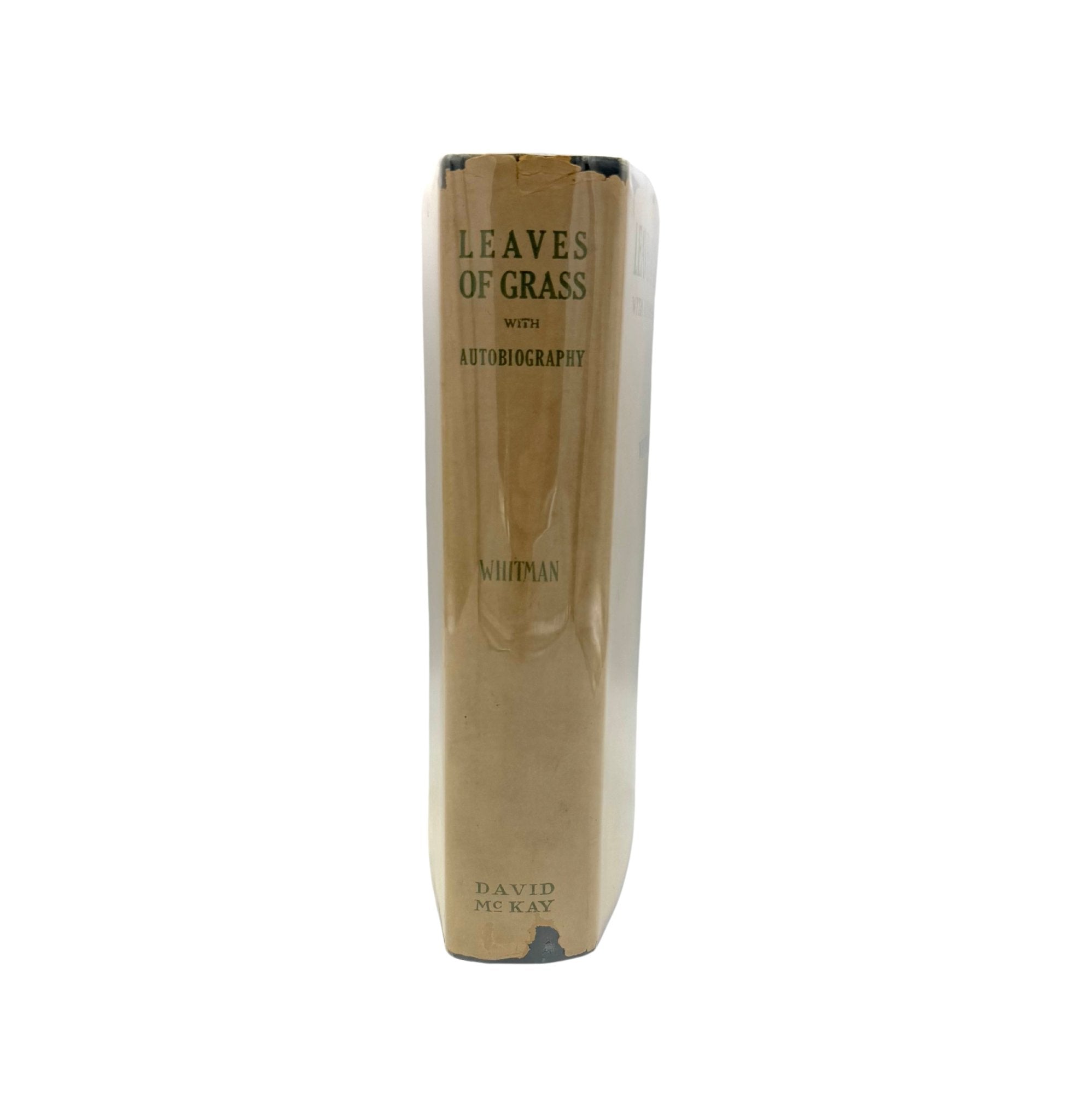
Good+ condition. In original, scarce dust jacket,with green titles on front panel and spine. Losses and chips, nicks, creasing to the top and bottom of front and back panel. Spine with losses and chips to top and bottom. No text affected. Spine sunned and lightly dust-soiled. Very scarce in jacket.
Dimensions: 8 3/8” H x 6” W x 1 ¾” D.
REF: BAL 21452.
Accompanied by our company's letter of authenticity.
Pickup available at Colorado
Usually ready in 4 hours
Leaves of Grass by Walt Whitman, Later Printing, in Original Boards and Scarce Dust Jacket, 1900
Colorado
1 Lake Avenue
Colorado Springs CO 80906
United States
Choose options
Frequently Asked Questions
FAQs
Yes, all of our Antiques are certified authentic. Every antique comes with a signed Letter of Authenticity that details the item’s history, its current condition including any conservation, binding, or framing work, and the item’s provenance. The Letters of Authenticity are priced valuations by our authentication specialists, who assure that items are original and unconditionally guaranteed as genuine for life.
We pack and ship your items from our gallery in Colorado Springs. You may also choose to come pick up your order. Antique items are carefully packed and insured during shipping. The shipping price will be calculated at checkout.
We acquire from a variety of trusted sources all over the world, but mostly through auctions and private collections within the United States. All provenance information will be listed on the Letter of
Authenticity accompanying your purchase.